Redefining Resilience: What Caregivers Are Never Told About Strength
Resilience is a word caregivers hear constantly — sometimes so often it becomes a label rather than a lived experience. “You’re so resilient” can sound like praise, but for caregivers in the sandwich generation, it can also feel like pressure. Pressure to keep going. Pressure to stay strong. Pressure to never let anything slip.
But resilience isn’t about being unbreakable.
It’s about being human.
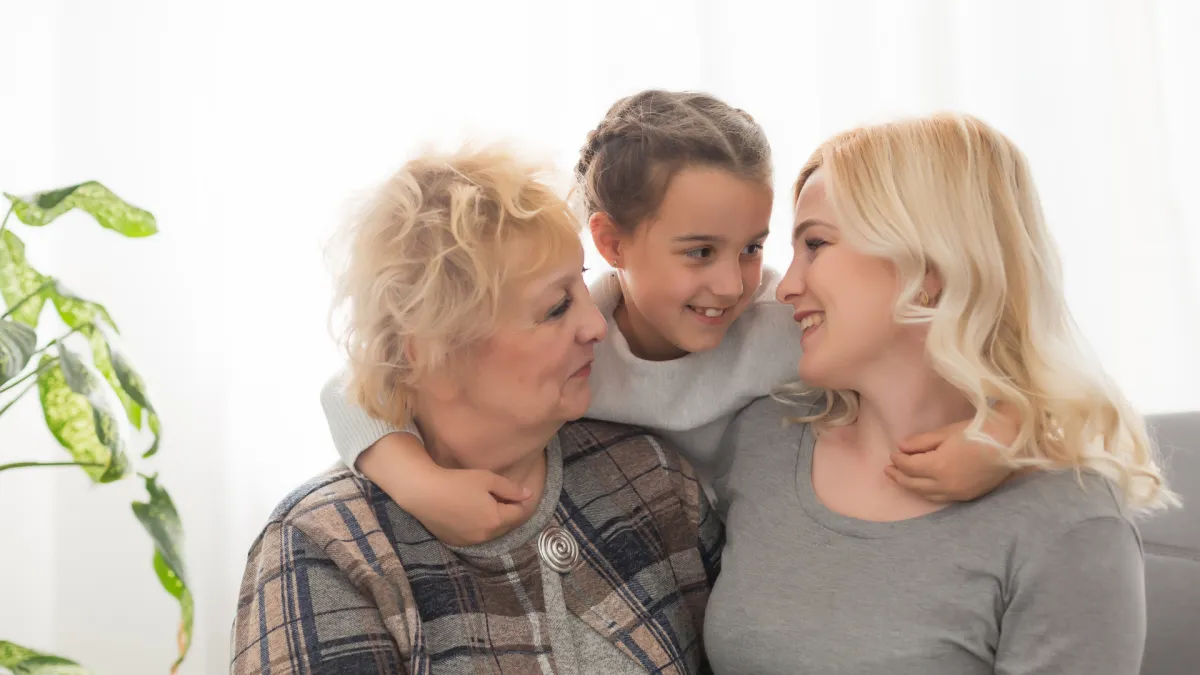
Caregivers are often balancing the needs of aging parents, supporting children or teens, managing careers, and holding together the emotional center of their families. That’s not just resilience — it’s a full‑time emotional ecosystem. And yet, the expectation is often that you’ll keep doing it all without rest, without help, without faltering.
Here’s the truth: pushing through exhaustion isn’t resilience — it’s survival mode. Caregivers deserve more than survival.
Real resilience looks different:
🌱 Resilience is recognizing your limits.
Not as weakness, but as wisdom. Limits protect you from burnout.
🤝 Resilience is asking for help.
Delegating, sharing the load, or saying “I can’t do this alone” is an act of strength.

🧘♀️ Resilience is tending to yourself with compassion.
Resting when you’re tired. Pausing before the next responsibility calls your name. Giving yourself the same care you offer everyone else.
🗣️ Resilience is using your voice.
Advocating for your loved ones — and for yourself. Asking questions. Setting boundaries. Saying no when something isn’t sustainable.
❤️ Resilience is allowing yourself to feel.
Caregiving is emotional terrain. Allowing yourself to feel doesn’t make you less resilient — it makes your resilience real.
The myth of the “superhuman caregiver” is just that — a myth. You don’t have to be tireless to be devoted. You don’t have to be perfect to be doing an extraordinary job.
Resilience isn’t measured by how much you can endure.
It’s measured by how gently you care for yourself while caring for others.
Featured oils:
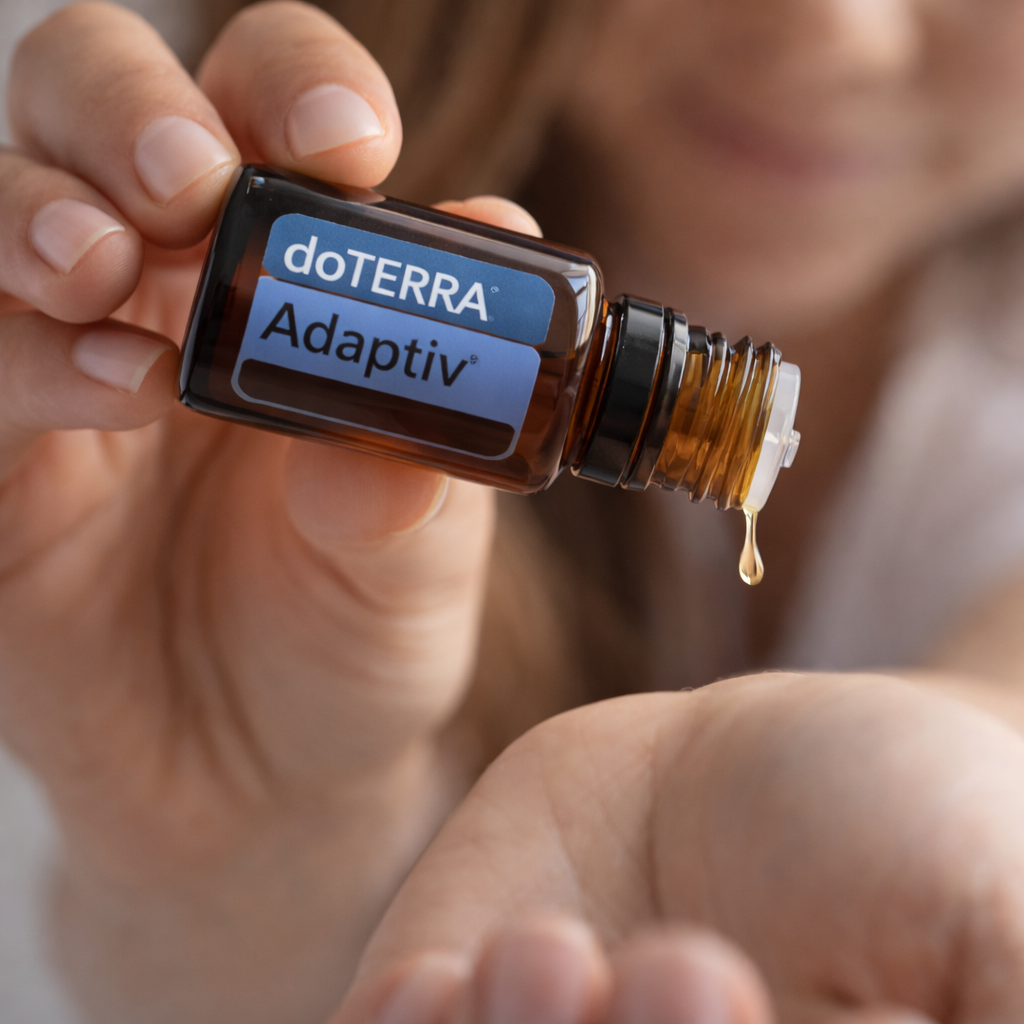
Adaptiv — a calming blend used to support emotional balance during stressful moments.
Peppermint — refreshing and uplifting when mental fatigue or low energy sets in.
Simple practices:
For calm:
Apply Adaptiv to wrists or the back of the neck.
Inhale slowly and ask: “What would help me feel steady right now?”
For energy:
Place one drop of Peppermint in your palms and inhale deeply when your energy dips.
Small moments of support throughout the day help resilience grow — one breath at a time.
🌿 Call to Action
This month, choose one small way to support your own resilience — a pause, a boundary, a request for help, or a moment of rest. Your well‑being matters, too.
